 In the movie Juno there is a scene where the very apparently pregnant Juno – a teenage girl who has decided to give birth to her child and give the infant up for adoption – says to her boyfriend and father of the child, “When you look at me you don’t stare at my belly, rather you look at my face.” Juno makes a powerful statement here I believe. To “look into the face” of another person is to acknowledge the dignity and worth of the person, no matter the circumstances or the situation. It is to recognize the image and likeness of God in the other person.
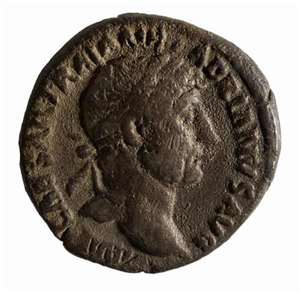
 If it is the fact of Caesar’s image being imprinted on the coin that proves ownership; then what image do we bear and to whom do we belong and to whom do we owe ultimate allegiance? “So God created man in his image; in the image of God he created him; male and female he created them.” (Gen. 1:27).
“Repay to Caesar what belongs to Caesar and to God what belongs to God.” To acknowledge whose image we bear means both to acknowledge to whom we owe all and to repay to him what is owed. How might we repay to God what is owed? Here, is where Juno helps us. When we look nowhere else but in the face of the other person (and our own face at times) – despite the circumstance or the situation which sometimes even hides and seemingly disfigures – and acknowledge the dignity and worth which is there then we are repaying to God that which is owed.
I once heard someone say that if you want to do something good for a parent (to give a gift that would truly touch the parent’s heart) then do something good for that parent’s child. We are all children of God.
God smiles when we are able to look in the face of one another.
 The Alternate Path