Tags
"Do you Hear What I Hear", Bible, Birth of Jesus, Christianity, Christmas reflection, faith, God, Jesus, The Prologue of the Gospel of John
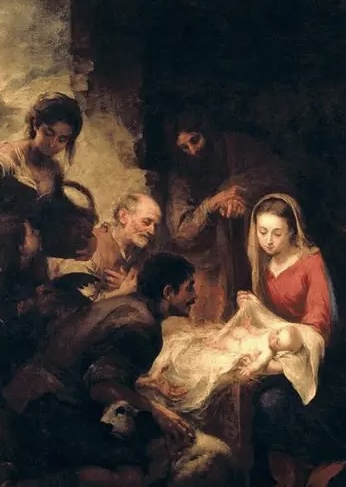
We each probably have our own favorite Christmas songs. One of my favorites is “Do You Hear What I Hear”. It is beautiful in the rhythm of how the message of the birth of Christ is carried from the wind to the little lamb, from the little lamb to the shepherd boy and from the shepherd boy to the mighty king, ending with the king’s proclamation to pray for peace everywhere.
“A child, a child sleeping in the night. He will bring us goodness and light. He will bring us goodness and light.”
The prologue of John’s gospel gives us the highest proclamation of who Jesus is – right from the very beginning of his gospel. It is a proclamation that carries its own rhythm. “…the Word was with God, and the Word was God … all things came to be through him … He was in the world, and the world came to be through him, but the world did not know him … And the Word became flesh and made his dwelling among us, and we saw his glory…”
The prologue is beautiful and infinitely rich in it’s proclamation of who Jesus is (as well as the witness of John the Baptist) and it is intriguing that in the middle of this rich proclamation of the Word made flesh John writes, “But to those who did accept him he gave power to become children of God, to those who believe in his name, who were born not by natural generation nor by human choice nor by a man’s decision but of God.”
This is not an interruption to the rhythm of the prologue. In fact, it is an important part of the rhythm. John is bringing us – each of us – into this rich proclamation. John’s prologue, just as his gospel, is not meant to end with Jesus. It is meant to be carried into our lives. In Jesus we are reborn as adopted sons and daughters of God.
We have a choice to make. The question is put before us. Will we allow the Word who was with God and is God, through whom all things were made, who was indeed made flesh to also become incarnate in our lives? Can we welcome Christ into the simple stable of our hearts and, by so doing, can we allow ourselves to become adopted sons and daughters of God? In the wonder of Christmas, the transcendent is made known and encountered not despite the incarnate but within the incarnate. We are each meant to bear Christ into the very reality of our lives. John’s prologue continues with us.
The reaction of the mighty king upon hearing the message brought by the shepherd boy is both profound and telling. “Pray for peace everywhere,” is what he proclaims to the people. The incarnation of the Word brings true and authentic peace – right relationship with God, with creation and with all people. Do we want peace in our world, within our friendships and family, in our own hearts? It begins here. It begins in welcoming the Word made flesh and allowing him to become incarnate in our lives.
“A child sleeping in the night … he will bring us goodness and light.”
This Christmas and into the new year, may we be bearers of that light and messengers of that peace and may we both find ourselves within and indeed live out in our own lives the very rhythm of John’s prologue.
 The Alternate Path