Tags
Catholic Church, Christian life, Christianity, faith, Feast of the Assumption of Mary, Jesus, tenderness

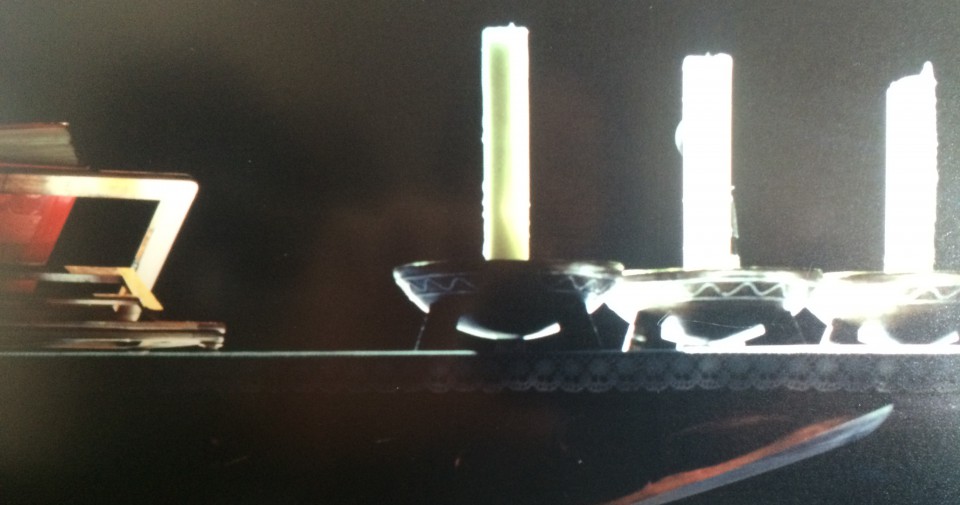
The statue of the Madonna and Child is from my home growing up. It belonged to my parents and sat in our living room on a table that served, for all intents and purposes although we never named it, as our home altar. On the table was found this statue, our family Bible, various little statues and holy cards and baptismal candles. Every day growing up I would see this statue – usually just passing by on my way to whatever I was up to but the statue was always there and remains with me to this day.
I have always appreciated the tenderness expressed by the statue. Mary cradles her infant son and holds him close to her breast. Her head leans in towards him and his towards her. There is a familiarity and an intimacy and she presents her child to the world. Here is the Son of God born of a humble woman in a small part of vast empire. He will save us from our sins,
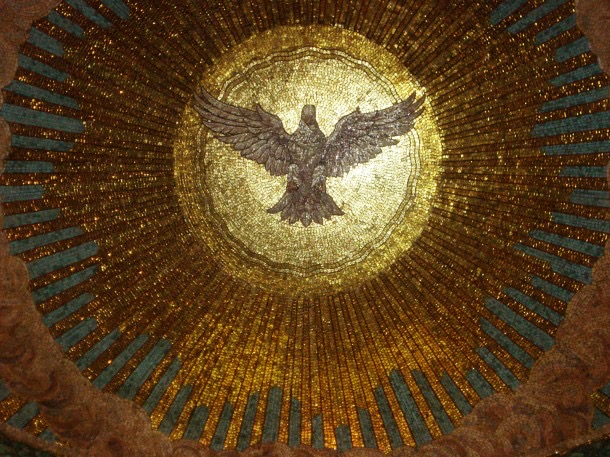
The holy card is from the Basilica of Santa Maria in Trastevere in Rome. The basilica is one of the oldest churches in Rome and the first to be dedicated to Mary. The card depicts an image from the mosaic of the Dormition of Mary. The dormition of Mary is the Eastern Church’s celebration of the great mystery of the Virgin Mary being taken body and soul into the fullness of the Kingdom of God. In the West, we focus on the Assumption of Mary and our images depict that. In the Eastern Church the focus is on the Dormition – or Mary’s falling asleep to then be taken up into the Kingdom – and their images depict this. It is the same mystery we celebrate. Immaculate Mary, mother of the Incarnate Word, is brought into the fullness of God’s Kingdom. Where she has been brought, we have the hope to also follow.
In the icon of the Dormition of Mary it is common to see Mary asleep in her passing surrounded by the twelve apostles and in the icon is also represented the risen Christ tenderly holding the soul of his mother. The iconographic tradition is to depict the soul – an immaterial reality – as a person wrapped almost like a child in swaddling clothes. The son holds the mother in anticipation of uniting soul and body in the glory of the resurrection.
There is a tenderness here too. The Son, in love, holds the mother again in an expression of familiarity and intimacy. Mary is wrapped in white which is an expression of the glory of the resurrection where all sin, death and darkness is overcome! Christ holds Mary out also as a sign of hope for all the world. Mary is the first to be brought into the glory of Christ’s resurrection. A hope that every Christian now carries through baptism.
One truth of these images and of today’s Feast of the Assumption is the tenderness of God as well as the value of tenderness in the Christian life. God welcomed the tender love of a humble woman and, in return, Christ tenderly welcomes his mother home.
We often underrate the importance of tenderness in life, I believe. But tenderness, as depicted, stands at the heart of the relation of Christ to his mother and, it seems, also at the heart of our Lord’s relationship to every believer. We have a tender God, a tender Savior. This is important because tenderness gives birth to hope and hope produces perseverance. We all need tenderness on the journey of faith. Tenderness keeps us moving forward toward the fullness of the Kingdom of God that awaits us and that also beckons us.
Two images – a statue and a holy card – showing the truth of tenderness and giving a hope that endures.
Holy Mary, tender mother of our Savior, pray for us!



 For a number of weeks now I have been watching the communion reception debate play out on social media. People asserting their right to receive communion on the tongue in and out of times of pandemic and questioning the authority of the bishop to restrict that form of reception in the circumstances that we find ourselves. I try to avoid social media debates at all costs as I think they really go nowhere and change no one but, as I have watched this debate unfold, I believe that I have gained some insights into the state of our knowledge of the faith, fears and even a learning about priestly ministry.
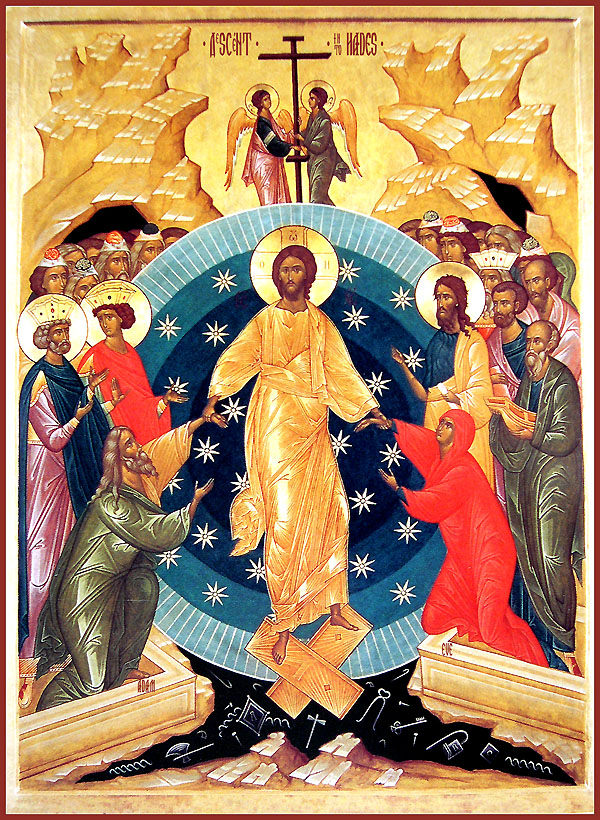 “…as the first day of the week was dawning, Mary Magdalene and the other Mary came to see the tomb.” Each of the four gospels, in its account of the resurrection of Jesus, specifically states the time. It was dawn, it was early in the morning, the day was just breaking.
 The longest pedestrian suspension bridge in North America is set to open later this month in our own Gatlinburg, TN. The bridge stretches nearly 700 ft. and is suspended 150 feet high. Apparently, it has glass panels as flooring in the middle of the expanse. I’ve been hearing people talk about it and have been seeing things on the news about it. Would you walk across it?
 I have been ordained for twenty-three years now and my entire priesthood has been lived under the shadow of the clergy abuse scandal. It began when I was in seminary in Chicago. I remember spending the days in prayer, class and formation for priesthood and then watching the six o’clock evening news as the latest wave of the scandal broke. Talk about a disconnect! But seminaries (by their nature) exist in a bubble. After ordination there was the news from Boston and other parts of the country but that was “out there” – still somewhat removed. It all came crashing home when the bishop who ordained me was accused of abuse and admitted to this abuse. He spent the remainder of his days praying and working in the laundry room of a monastery. A priest from my diocese (former pastor to the parish to which I now serve) was arrested and is currently in prison for abusing a child. A priest classmate was removed from ministry for inappropriate contact with a minor. And now it is all stirred up again with the recent report from Pennsylvania. My whole priesthood and the priesthood of now at least a couple of generations of priests has been lived under the shadow of this scandal.
