Tags
Catholic Church, Christian life, Christianity, faith, Feast of the Assumption of Mary, Jesus, tenderness

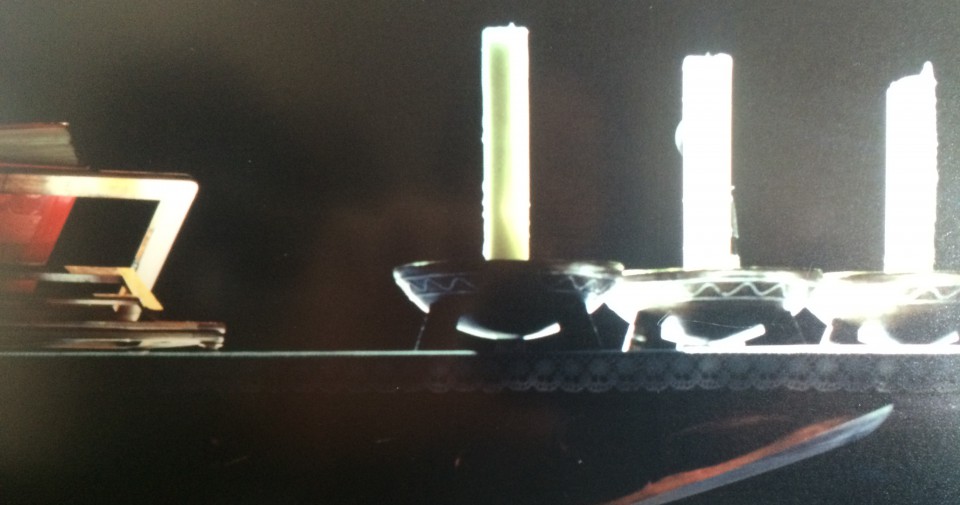
The statue of the Madonna and Child is from my home growing up. It belonged to my parents and sat in our living room on a table that served, for all intents and purposes although we never named it, as our home altar. On the table was found this statue, our family Bible, various little statues and holy cards and baptismal candles. Every day growing up I would see this statue – usually just passing by on my way to whatever I was up to but the statue was always there and remains with me to this day.
I have always appreciated the tenderness expressed by the statue. Mary cradles her infant son and holds him close to her breast. Her head leans in towards him and his towards her. There is a familiarity and an intimacy and she presents her child to the world. Here is the Son of God born of a humble woman in a small part of vast empire. He will save us from our sins,
The holy card is from the Basilica of Santa Maria in Trastevere in Rome. The basilica is one of the oldest churches in Rome and the first to be dedicated to Mary. The card depicts an image from the mosaic of the Dormition of Mary. The dormition of Mary is the Eastern Church’s celebration of the great mystery of the Virgin Mary being taken body and soul into the fullness of the Kingdom of God. In the West, we focus on the Assumption of Mary and our images depict that. In the Eastern Church the focus is on the Dormition – or Mary’s falling asleep to then be taken up into the Kingdom – and their images depict this. It is the same mystery we celebrate. Immaculate Mary, mother of the Incarnate Word, is brought into the fullness of God’s Kingdom. Where she has been brought, we have the hope to also follow.
In the icon of the Dormition of Mary it is common to see Mary asleep in her passing surrounded by the twelve apostles and in the icon is also represented the risen Christ tenderly holding the soul of his mother. The iconographic tradition is to depict the soul – an immaterial reality – as a person wrapped almost like a child in swaddling clothes. The son holds the mother in anticipation of uniting soul and body in the glory of the resurrection.
There is a tenderness here too. The Son, in love, holds the mother again in an expression of familiarity and intimacy. Mary is wrapped in white which is an expression of the glory of the resurrection where all sin, death and darkness is overcome! Christ holds Mary out also as a sign of hope for all the world. Mary is the first to be brought into the glory of Christ’s resurrection. A hope that every Christian now carries through baptism.
One truth of these images and of today’s Feast of the Assumption is the tenderness of God as well as the value of tenderness in the Christian life. God welcomed the tender love of a humble woman and, in return, Christ tenderly welcomes his mother home.
We often underrate the importance of tenderness in life, I believe. But tenderness, as depicted, stands at the heart of the relation of Christ to his mother and, it seems, also at the heart of our Lord’s relationship to every believer. We have a tender God, a tender Savior. This is important because tenderness gives birth to hope and hope produces perseverance. We all need tenderness on the journey of faith. Tenderness keeps us moving forward toward the fullness of the Kingdom of God that awaits us and that also beckons us.
Two images – a statue and a holy card – showing the truth of tenderness and giving a hope that endures.
Holy Mary, tender mother of our Savior, pray for us!
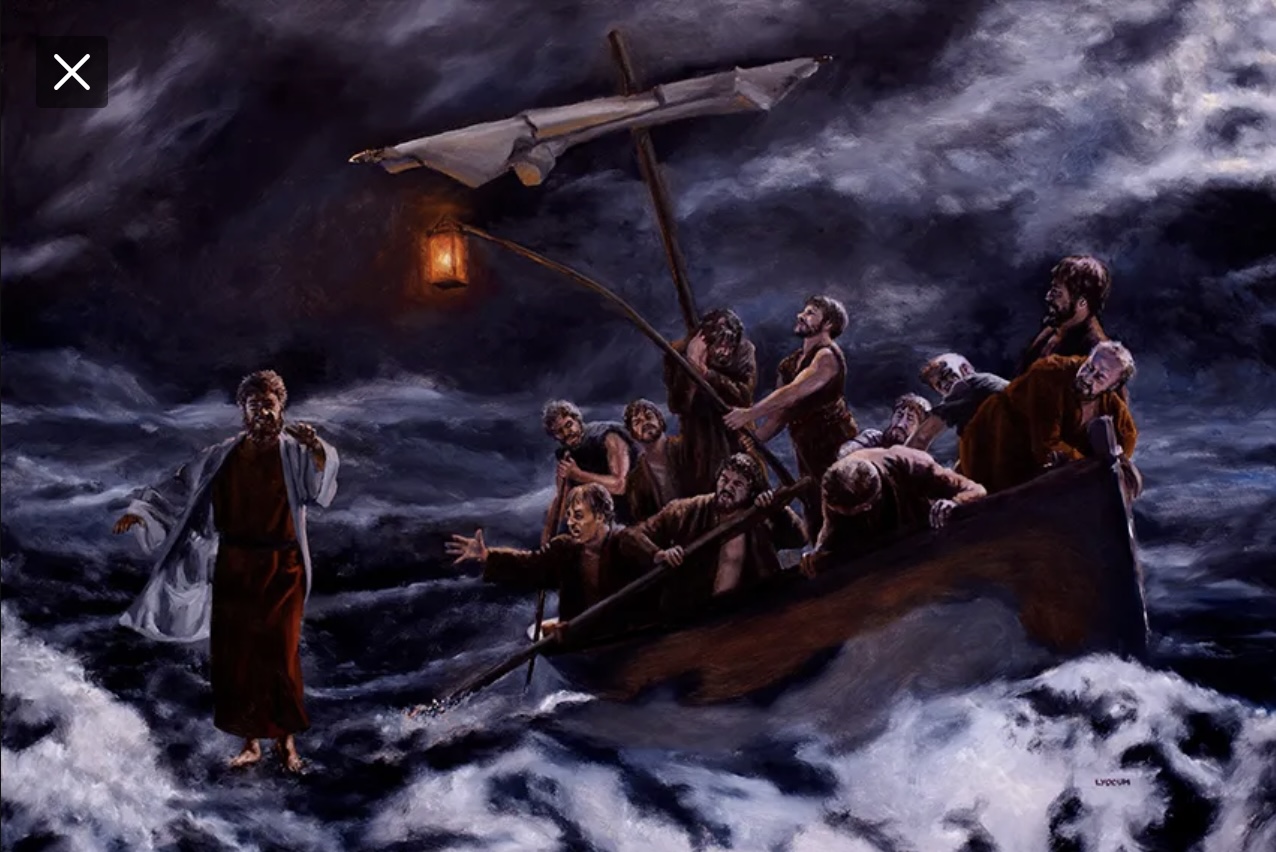


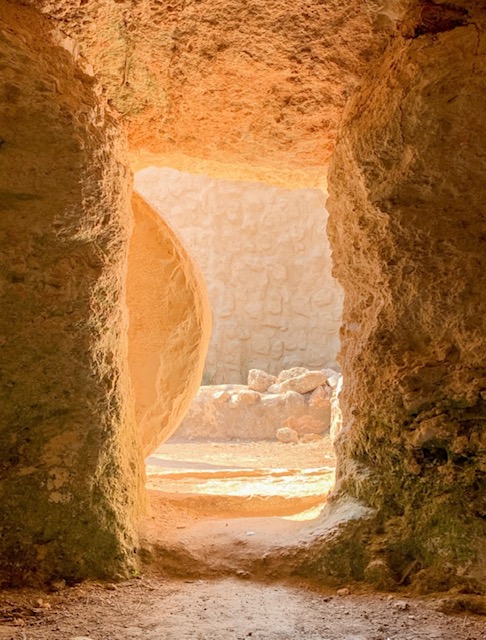

 We all know of Paul’s encounter with the risen Lord on the road to Damascus and how that encounter radically changed his life. The man who was so zealous in his persecution of the early church became the apostle proclaiming Christ to the Gentiles. But do we truly realize how much that conversion cost Paul himself? The second reading for today (Romans 9:1-5 – one of Paul’s later writings) gives us, I believe, a glimpse into the lifelong deep pain that Paul endured. “…I have great sorrow and constant anguish in my heart. For I could wish that I myself were accursed and cut off from Christ for the sake of my own people, my kindred according to the flesh.” Paul carries both the pain of seeing so many of his people – the Jewish people – not wanting to recognize Jesus as the Messiah and he also carries the pain of himself (by his conversion) being cut off from the very people he loves and so identifies with! The man carried heartbreak just as he proclaimed Christ as Savior to the world.
 In the Common Lectionary readings for Sunday, July 19th we are given the teaching of the weeds and the wheat (Mt. 13:24-30) as well as a reading from the Book of Wisdom (Ws. 12:13, 16-19).
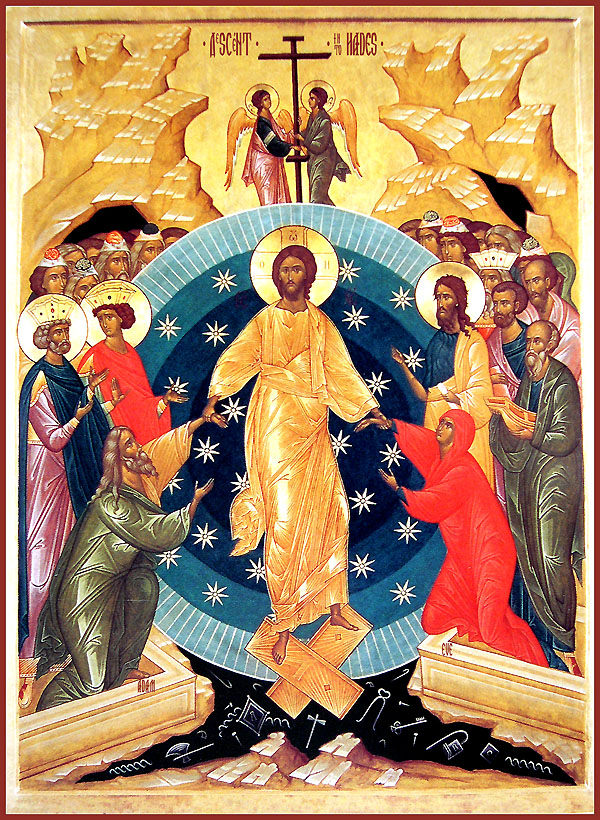 “…as the first day of the week was dawning, Mary Magdalene and the other Mary came to see the tomb.” Each of the four gospels, in its account of the resurrection of Jesus, specifically states the time. It was dawn, it was early in the morning, the day was just breaking.
 In today’s gospel there is a development in the thought of the man born blind and in his proclamation of who Jesus is. It is important to note that just as the questioning the man faces increases, just as his social supports fall away and just as the pressure on him gets heavier – the man’s knowledge of who Jesus is and his proclamation of who Jesus is increases.
 The Alternate Path