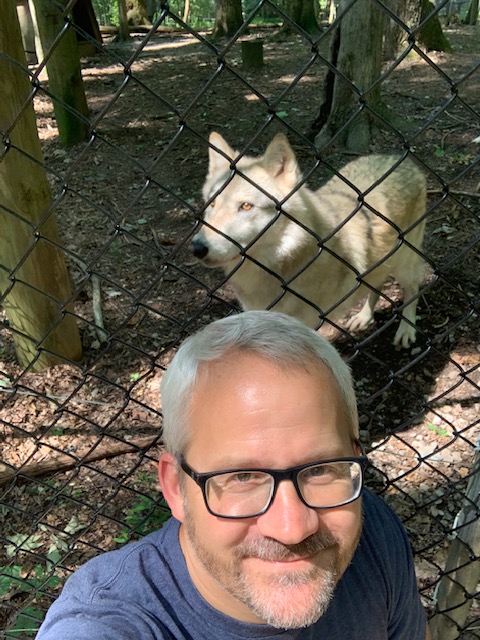
Any interest in wolves will eventually lead a person to Yellowstone National Park and the work of reintroducing wolves into the ecosystem there. It is in this context, that one will hear the term, “trophic cascade”. The term is used to describe an “ecological phenomenon triggered by the addition or removal of top predators which then brings about changes in the relative populations of predator and prey in an area. A trophic cascade often results in dramatic changes in an ecosystem.” (Stephen Carpenter) In the case of Yellowstone, it was the healing of the ecosystem.
When wolves were extirpated from the park in 1926, their natural prey, the elk, increased to unmanageable numbers. There was overgrazing by the elk and the whole ecosystem suffered. Since being returned, the wolves have helped to reduce the number of elk to a number that the ecosystem can actually support. The wolves changed the grazing patterns of the elk so that valleys and riverbanks (where elk are more vulnerable) are no long overgrazed. The wolves have even strengthened the elk in that the wolves cull out the sick and weak elk, thus helping to reduce the risk of spread of disease in a herd. All of these factors have allowed areas that were overgrazed to rebound allowing plant life to again flourish naturally which, in turn, attracts more and varied fauna back into the ecosystem.
All of this cascade of effects from one change.
Here is the connection to the readings. James, in the excerpt from his letter that we just read (James 3:16-4:3), lays out the human condition under sin quite clearly. We are a mix of pride, jealousy, selfishness and envy. We are at war within ourselves and this violence seeps out in many ways. Yet, even in the midst of all of this, we yearn for that “wisdom from above” which is peaceable, pure, gentle, full of mercy and good works. We yearn for this because we know in our deepest core that we are meant for it. We are made and meant for that authenticity of self and life.
In the gospel (Mark 9:30-37) we see this played out in real time. The disciples are confused about what Jesus is telling them and they have fear within them about asking. When the group arrives at the house, we come to learn that they were arguing about who was the greatest disciple among them. The disciples themselves have been caught up in that whole mix of pride, jealousy, selfishness and envy that James laid out in his letter!
Jesus knows full well the human condition. He sees the sad circumstance of the mix of who we are under sin but he also knows the truth of who we are meant to be as children of God. What does he do in the face of all of this? He makes one change. He brings in a child and says, “Whoever receives one child such as this in my name, receives me; and whoever receives me, receives not me but the One who sent me.”
In this one act, Jesus shifts the attention of the disciples away from themselves and towards another. Now, instead of being caught up in the whole mix of pride, jealousy, selfishness and envy; focus is on the other and welcoming the other. Pride is forgotten, jealousy gives way, selfishness and envy are put aside. The shift in focus allows for a whole cascade of effects.
It can all be very daunting when we are honest and recognize the truth of the mix that we are – a good chunk of it which is not so great. Rather than demanding wholesale change which is beyond any of our abilities, the lesson given here by Jesus is to make one change. Do one thing in our lives for the Kingdom. Shift the focus. Welcome one person in the name of Christ. From the one change in our lives for the reign of God there will then come a cascade of effects.
Do one thing.
“…the fruit of righteousness is sown in peace for those who cultivate peace.”
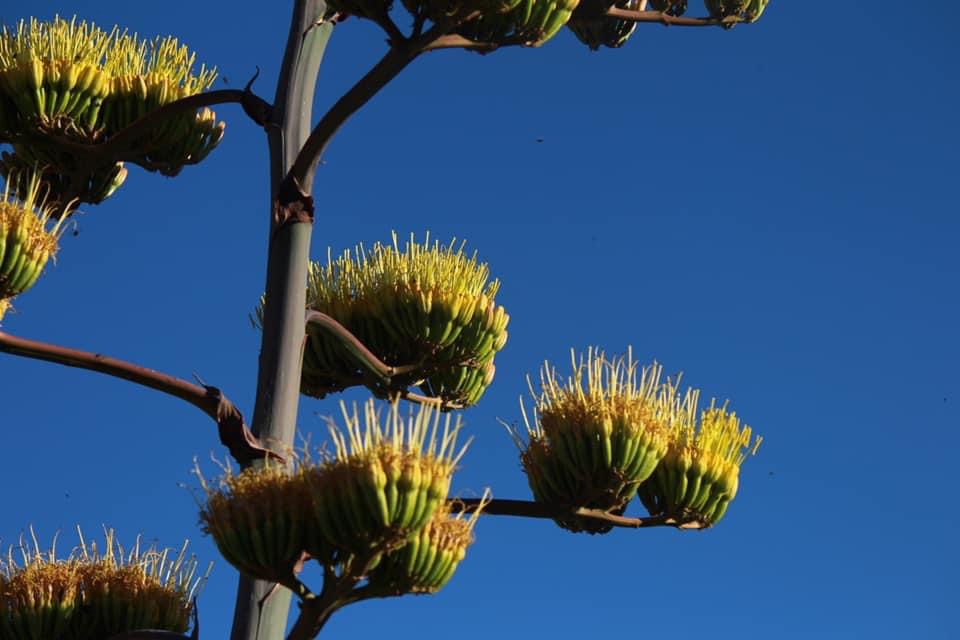
 One thing that the Scriptures do not shy away from presenting is tragedy. We like tragedy when it is on the screen or in a play but not so much in our lives. This is partly why we invest in IRA’s. Yet, tragedy is a part of life (Sacred Scripture knows this) and no one gets through this life without experiencing tragedy in one form or another.
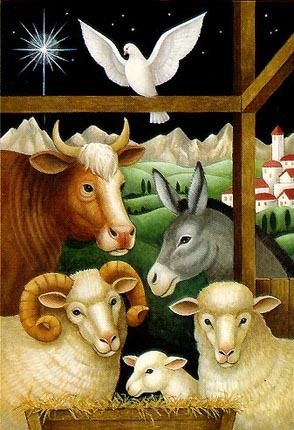 You may have noticed that Seth who oversees our parish maintenance has placed the animals in the stable scene outside in front of our church. I appreciated this as the day after he put the figures out I came across this quote from the author Evelyn Underhill,
 As some of you know I recently went to Yellowstone National Park and led a retreat there. Before and after the retreat I had free days so I took advantage of those days and went on some hikes. The first day going in I stopped at the ranger station just to check on things and make sure there were no concerns about the trails I was considering. The ranger suggested that I download the Yellowstone Park app as it would be a help to me. I took his advice and downloaded the app. It was a great help. What they have done at Yellowstone (and I am not sure if this is at other parks or not) is that they have mapped out every trail in the park on this app. Not only that, but when you go out on the trail you take your phone with you, switch it to airplane mode so that it is not continually searching for coverage and draining your battery and with GPS the phone shows you via a little dot on the screen exactly where you are at on the trail. One phone in the vast expanse of Yellowstone communicating with some satellite in the sky telling you exactly where you are at and which way to turn when the trail splits. I just find that level of technology, connection and focus amazing!
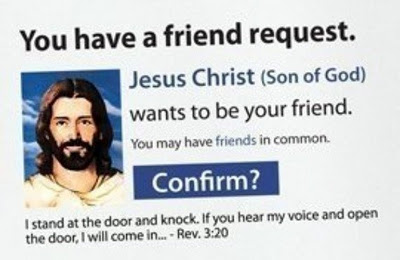 Living in our social media age has led me to ask the following questions in light of today’s gospel (Mk. 6:1-6). “If Jesus were alive today would he be on Facebook?” “If he were on Facebook, what would he post?” “How would we react to his posts? Would we like them, would we unlike them, would we unfollow him, would we perhaps even defriend him?”
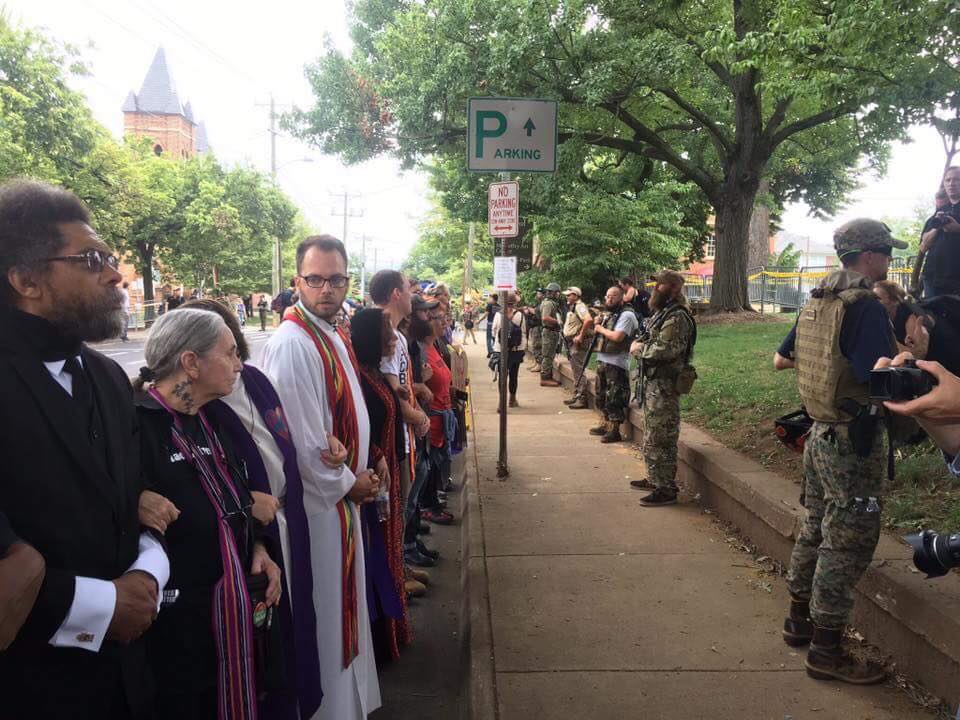 In light of the violent and tragic events that have occurred in Charlottesville, VA a dear friend asked me what can one person do “on a regular basis to fight racism and some of what’s going on in this country/world?” It is sad and frightening what is going on in our country and what we see happening in our world. We must reaffirm that there is no place for bigotry, prejudice and violence in our country, our world and in our hearts as Christians and, I think, we must do this as we also reaffirm and in many ways, rediscover, the value and unique power of Christian community.
 During the weeks of Advent we hoped for and awaited the coming of the Messiah.
 The Alternate Path