Tags
Bible, Catholic Church, Christian faith, Christianity, death, faith, Feast of All Souls, God, heaven, Jesus, The Four Final Things

Once, when I was pastor at St. Mary’s Church in Athens, TN, I had a graveside service at a local cemetery. It was a nice, clear day and a beautiful setting with trees and mountains in the backdrop. I finished the church’s rite and then the funeral director began to say some words. One thing this funeral home offered families (at a price) was a little ceremony where a group of homing pigeons was released. The pigeons (representing the already deceased members of the departed’s family) were trained to remain circling until a final pigeon was released (representing the newly deceased). The final pigeon was trained to join the others and all together would fly off into the sky. With the flock of pigeons circling, the funeral director said some words of comfort and then released the final pigeon. We all watched as the pigeon flew into the sky, saw the circling flock and bee-lined it in the opposite direction! Behind me, I heard someone say, “Well, he never did really care much for his family!”
In our Catholic tradition there is the concept of the four final things – death, judgement, heaven and hell. As the story reminds us and as the readings also remind us, we will all die one day. This is a truth and how we face death matters. We can pretend it will never happen (and many choose this route) or we can acknowledge death, not in our own strength but rather by trusting in God. “The souls of the just are in the hand of God,” proclaims the Book of Wisdom. The “hope of immortality” has been given and this is what we hold on to. In the resurrection of Christ there is now a greater horizon beyond the grave – the person of faith sees this greater horizon and lives by this greater horizon even now.
There is and will be judgement. Paul, in his Letter to the Romans, writes, “We know that our old self was crucified with him, so that our sinful body might be done away with, that we might no longer be in slavery to sin.” The invitation is given to newness of life in Christ. Judgement will be made on how much we haveaccepted this invitation and, through Christ, grown beyond sin. In Christ, it is always possible to move beyond sin. Don’t believe the lie. Forgiveness, healing and freedom are always possible in Jesus.
Heaven and the possibility of Hell are real. “For this is the will of my Father, that everyone who sees the Son and believes in him may have eternal life, and I shall raise him on the last day.” I believe that one of the most beautiful liturgies that the Church has is the funeral Mass. In the funeral Mass we commend our loved one into the mercy of God. This is as far as we can go. Final judgement belongs to God alone.

Purgatory is a teaching of the Church. I recently heard someone refer to purgatory as the mudroom needed before we can enter into the full warmth and welcome of heaven. The focus of purgatory is not pain and punishment but purgation, being cleansed of sin, in preparation for full entrance into the Kingdom of God. The thought that we can help those in purgatory by our prayers is a testament to our deep faith in the resurrection of Christ. In the resurrection of Jesus, death has lost its power as the final and ultimate separation. In the power of the resurrection, our prayers can now assist even those who have died and who look toward the mercy of God.
Here is an interesting note – the Church has been given the authority to publicly proclaim that a certain person, known for his or her heroic faith and virtue, is in heaven. This is the canonization process where a saint is proclaimed. The Church has never in a public and teaching way proclaimed that any certain person is in Hell – that final separation from God. The Church has acknowledged that certain people have excommunicated themselves from the Church, removed themselves from the body of believers (ex-communio) by persisting in erroneous beliefs and practice but that is from the Church. Ultimate final judgement belongs to God alone. Sometimes the wisdom of the Church is demonstrated by what she does not or will not say just as much as by what she teaches and proclaims.
The four final things are real and how we live our life today, in awareness of those things, matters.
 “You should give up drinking only water and have a little wine for the sake of your digestion and the frequent bouts of illness that you have.” (1 Timothy 5:23)
 During the weeks of Advent we hoped for and awaited the coming of the Messiah.
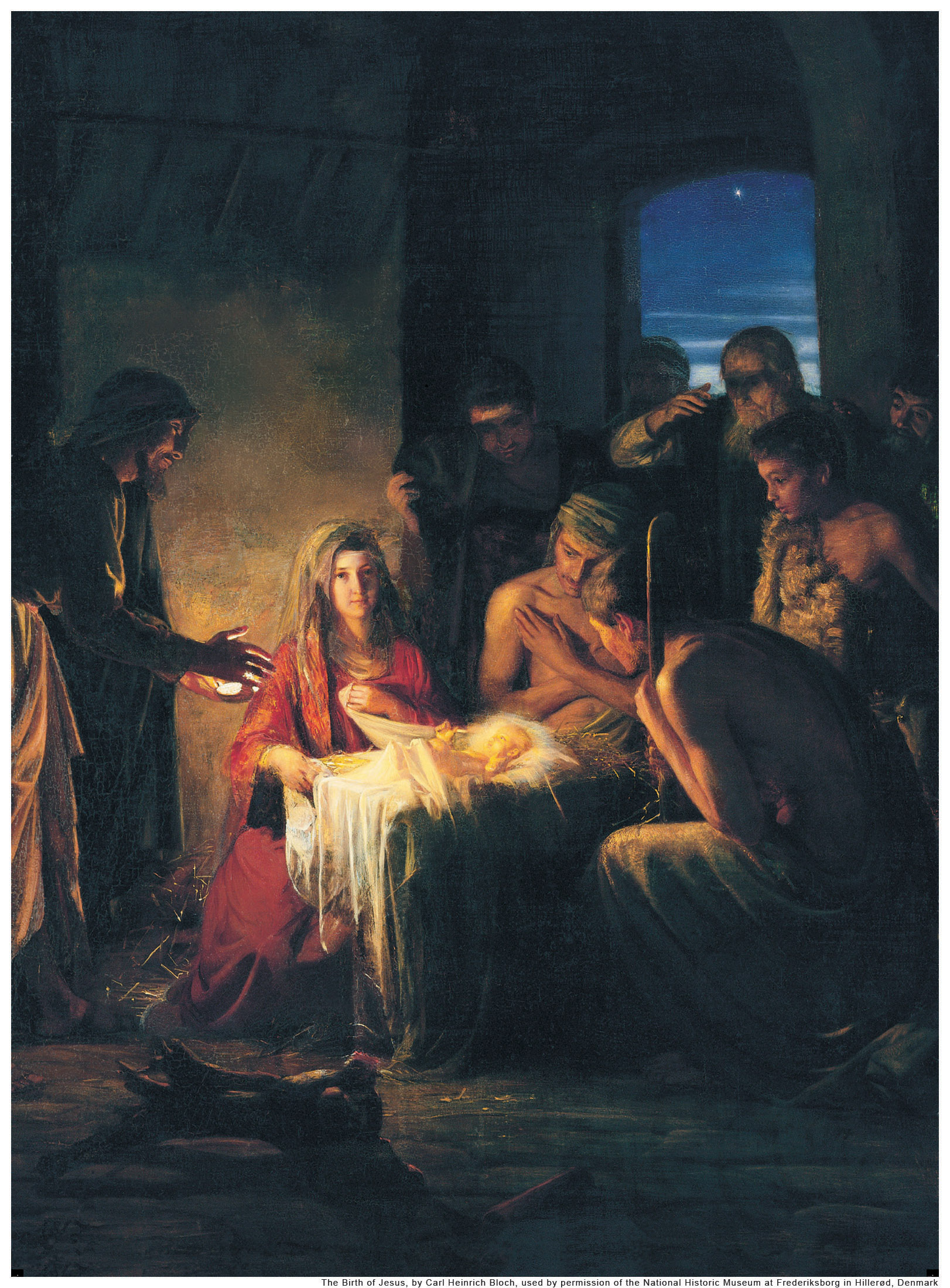 Caesar demanded a census and the whole world was in motion and turmoil.
 The movie “Hacksaw Ridge” is a powerful and true story about a man holding firm to his convictions in the face of strong opposition.
 There are two things that the Pharisee in today’s gospel (Lk. 18:9-14) did not know – two things that kept him from entering into true relationship with God. This man, who prided himself on his religious observance and his fulfillment of his commitments in life, neither knew himself nor did he really know God. The tax collector, on the other hand, knew both and he went home justified.
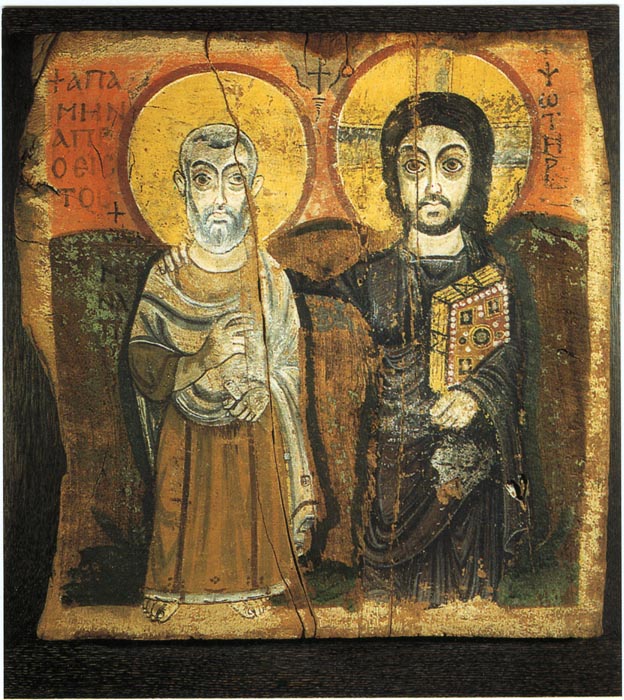 There are many images of ordained priesthood that operate in our Church today – the priest as sacramental minister, the priest as co-worker with the bishop, the priest as pastor, the priest as leader of the worshipping community. These are some of the more “official” images of priesthood but there are others, I have come to realize, that can often operate in the hearts and minds of both priests and laity alike. The priest as administrator and builder operating the parish with efficient ease! The priest as superhero stomping out evil with his superpowers. (I have seen many a vocation poster/image along this line and I have to admit I find it rather silly to say the least.) The priest as shaman battling dark forces behind the scenes by the use of ancient languages and rituals. The priest as philosopher or wisdom figure enlightening the masses with his erudite thought. Are there times when a priest does have to head a building project and administrate a parish? Yes, certainly. There are also times when a priest has to wade through the darkness of sin and evil in life and I hope that at least every now and then the priest does offer something worthwhile for people to consider. All this is to say that there are many images surrounding the priest – some official and some not-so-official yet held in different hearts.
 The Alternate Path